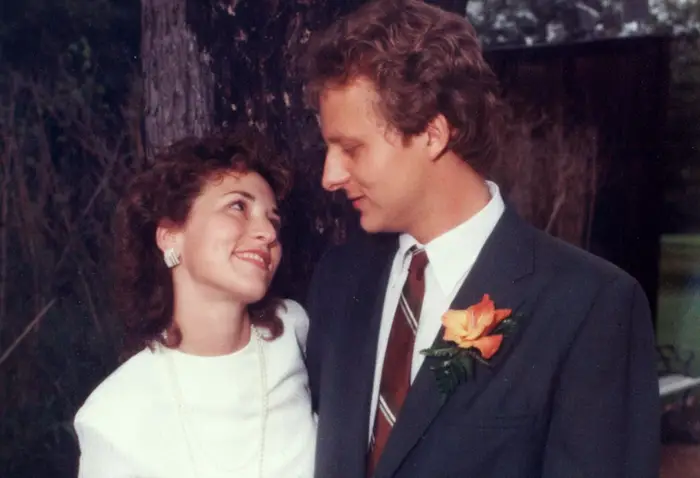
After 26 years of marriage, losing a spouse leaves a life completely altered. For this widower, grief was not just about missing his wife — it was about rediscovering who he was in a world without her. He learned that grief doesn’t have a deadline and moving forward doesn’t mean forgetting the past.
💔 A Lifetime Together, Suddenly Over
Twenty-six years is a long time to share laughter, routine, and countless memories. They had built a life together: family holidays, quiet nights, daily rituals. And then, in an instant, it was gone. The emptiness left behind wasn’t just emotional — it affected every corner of his daily life. Simple things like waking up in the morning or making a cup of coffee carried the weight of absence.
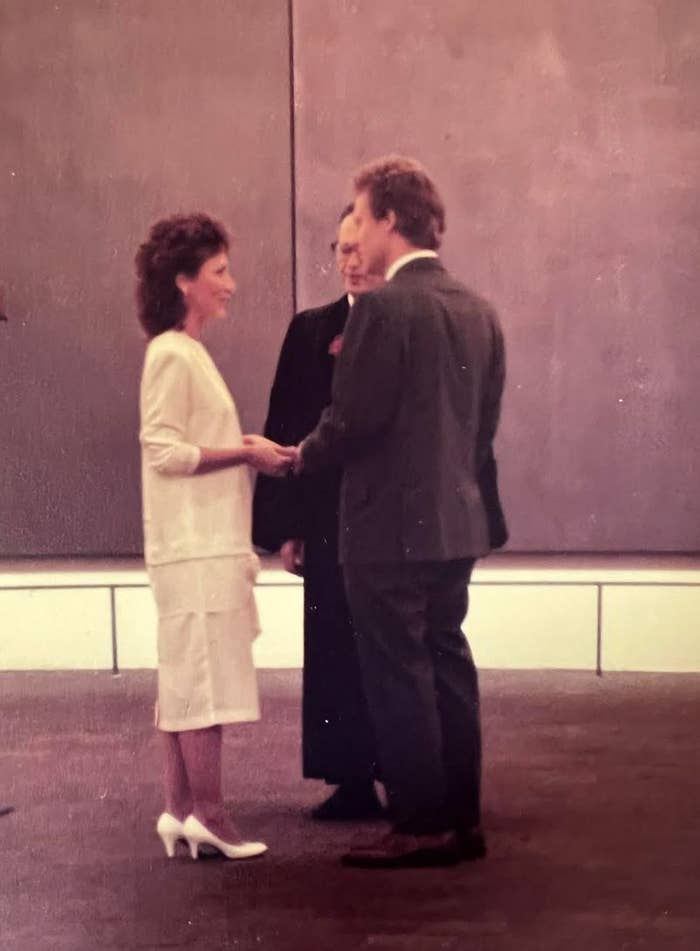
🌿 Grief as a Living Companion
He emphasizes that grief isn’t something to “get over.” It’s a companion that evolves. Early days were a blur of sorrow, moments frozen in time. Over weeks and months, grief softened, but it never disappeared. Instead, it transformed, intertwining with memories, moments of joy, and quiet reflection. He found that learning to live with grief became the key to rebuilding life while honoring love lost.
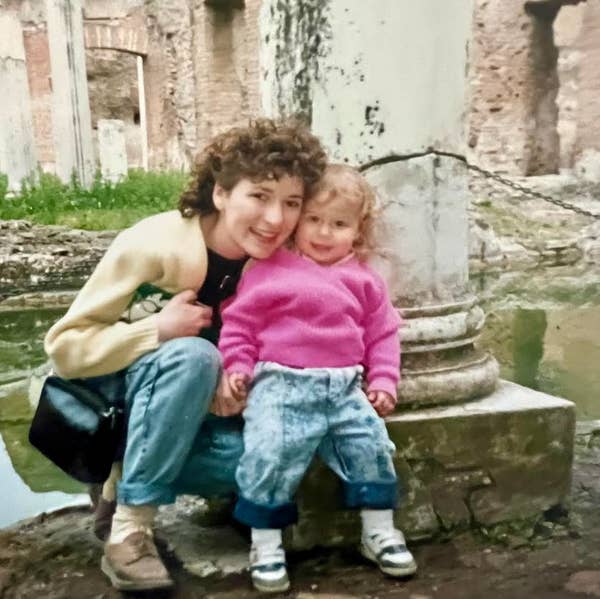
📝 Words Left Behind
Before she passed, his wife left a message — a note to a close friend, intended to reach him later. In it, she encouraged him not to stop living, not to abandon joy, and to find meaning in each day. This gentle nudge reminded him that love doesn’t end with death. It is carried forward in memory, in daily acts, and in the way life is embraced after loss.
⚖️ Finding Balance Between Grief and Life
Rebuilding a life after losing a spouse isn’t about rushing or erasing pain. Some days are heavy, some lighter. He learned to honor the grief while also allowing small joys to enter life again. Whether it was a quiet walk, reconnecting with old friends, or even a spontaneous trip, these small acts became lifelines that gradually reintroduced purpose without diminishing love.
💡 Lessons for Others
His experience has resonated widely because it challenges the common narrative of grief: that you either “get over it” or remain stuck forever. Instead, he demonstrates a third path — living fully while still carrying grief. Love and sorrow coexist, shaping a life that’s richer for its depth and complexity.
🧩 Embracing a New Chapter
In the end, he says the question isn’t “When will I move on?” but “How will I move *with* this?” Grief becomes a part of life rather than a shadow over it. Each memory, tear, and laugh is woven into a narrative of resilience, remembrance, and ongoing love. For him, and for anyone who has lost a partner, embracing life with grief — not against it — becomes the true path forward.